Building Better Bones - Bone Health and How it can Affect You
As we age, maintaining strong, healthy bones becomes more than just a wellness goal - it’s key to preserving independence and preventing injury.
Osteopenia and osteoporosis are both conditions that relate to changes in bone density. Osteopenia indicates lower than normal bone density, whilst osteoporosis is characterised by weakened and increasingly fragile bones. People with osteoporosis are more prone to fractures, particularly in the spine, hips and wrists. In 2023, 1 in 3 women and 1 in 5 men over the age of 50 were affected by osteoporosis.
Understanding Bone Health - and why it matters
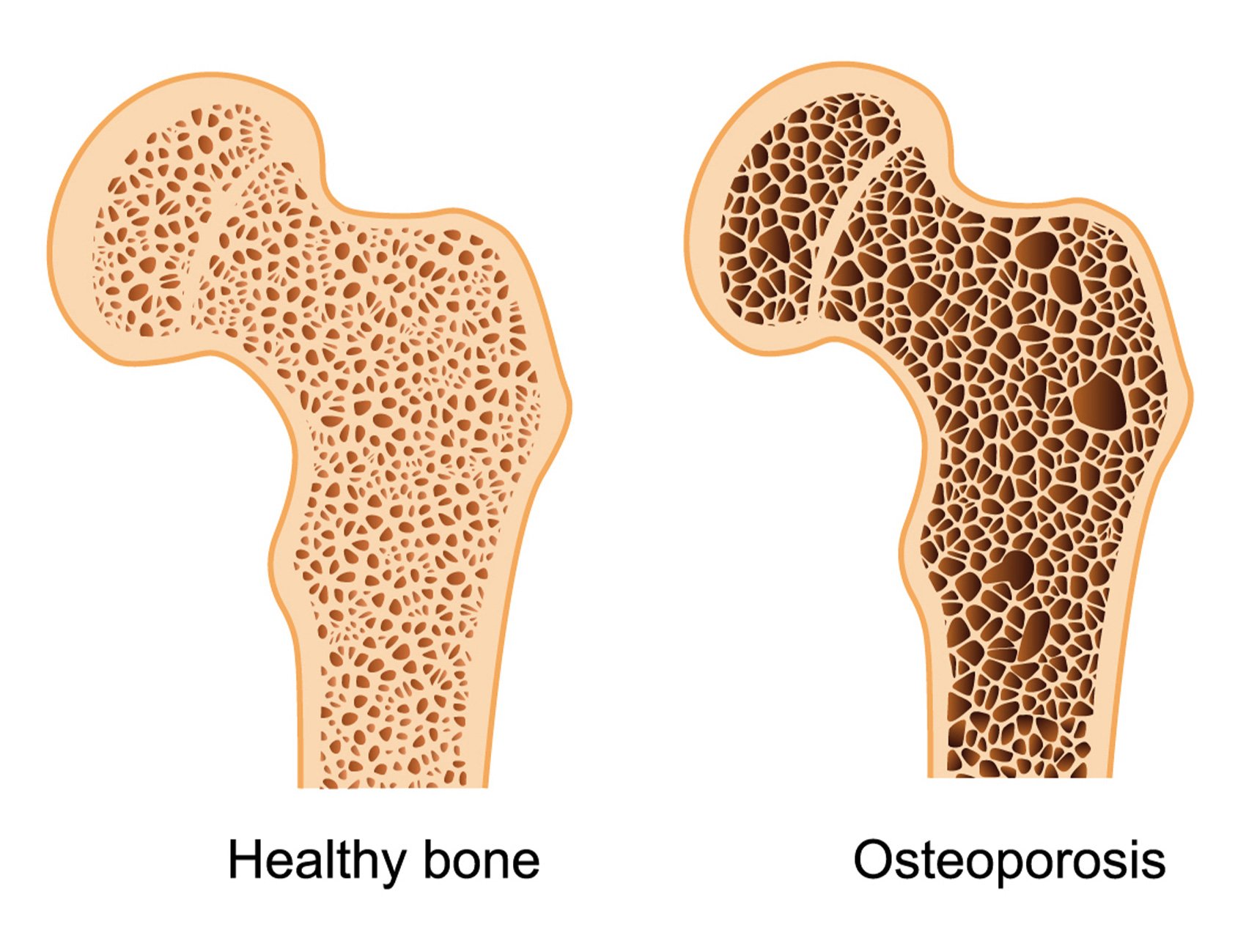
Bone density peaks in your late 20s and begins to decline gradually from age 30. Osteoporosis is most commonly associated with women, especially post-menopause. Bone loss happens naturally with age, but due to falling estrogen levels during menopause, women can lose up to 20% of their bone density in as little as 5 years. This significantly increases fracture risk. In 2021 osteoporotic fractures were responsible for more hospitalisations than heart attacks, strokes or breast cancer in women over 50 in Australia.
Despite being more common in females, men are also at risk. Men begin to lose bone gradually, and by age 70, their rate of loss is similar to that of postmenopausal women. Other risk factors for osteoporosis or decreased bone density include a sedentary lifestyle, smoking, and excessive alcohol consumption.
The good news? You can take proactive steps to protect your bones. Weight-bearing and resistance exercises including walking, running, strength training and pilates stimulate new bone growth, helping reduce fracture risk and keep bones strong. Studies have shown that high-impact and resistance training can increase bone mineral density by up to 1–3% per year in postmenopausal women.
Does the type of exercise or frequency matter?
In short - YES! Healthy Bones Australia and Sports Medicine Australia both recommend a combination of weight-bearing impact training, resistance training, and balance training as the most effective way to improve and maintain bone strength.
Weight Bearing & Impact Exercise
Impact exercises have been shown to significantly improve bone density in older adults. This type of exercise stimulates the bones by applying force through them during movement, which in turn encourages the body to build and maintain bone density.
Examples include:
● Brisk walking or stair climbing
● Jogging (if appropriate for your joints)
● Dancing or aerobics classes
● Tennis, hiking, or team sports
● Jumping or hopping exercises
Despite seeming a little daunting, especially if you struggle with balance or mobility these exercises can all be safely guided by our physiotherapists and modified to suit your needs. Impact exercises are recommended to be completed 4-5 days per week.
Resistance Training
Resistance training involves lifting or moving weight - including bodyweight, resistance bands or free weights like dumbbells to challenge and strengthen your muscles. This can also stimulate the bone at the tendon and ligament attachments, reinforcing bone density and encouraging structural integrity.
Examples include:
● Pilates - both mat and reformer
● Bodyweight exercises like squats, lunges, and push-ups
● Free weights (dumbbells, kettlebells, barbells)
● Resistance bands or cable machines
● Functional lifting (lifting shopping bags or gardening)
Resistance programs should target all major muscle groups and be progressed gradually to maintain bone and muscle adaptation. Physiotherapists ensure correct form and can modify exercises for people with joint or bone issues. Resistance training should be completed 2-3 times a week.
Balance Training
Balance training improves your body's ability to stay upright and steady by targeting coordination, proprioception, and reaction time. While it doesn’t directly increase bone density, it’s essential for preventing falls which are the leading cause of fractures in older adults. Balance training should be completed 2-3 times per week, or, for adults with a high falls risk, daily.
Examples include:
● Single-leg stands or heel-to-toe walking
● Dynamic stepping drills or balance boards
● Pilates and yoga
● Tai Chi
● Functional balance tasks (turning quickly, stepping over objects)
Balance exercises should challenge stability without compromising safety. Physiotherapists can guide you with supported exercises and progress as appropriate to build confidence and control.
Need Help Finding the Right Balance?
Starting a safe and effective exercise program for bone health isn’t one-size-fits-all. Age, fitness level, injury history, and health conditions all influence what’s best for you. That’s where a physiotherapist can help.
At Fortis Physiotherapy, our team will assess your current movement, guide you through safe and progressive exercises, and help you build strength, balance, and resilience for years to come.
References
International Osteoporosis Foundation. (2023). Facts and statistics about osteoporosis and its impact. Retrieved from: https://www.iofbonehealth.org
Healthy Bones Australia. (2023). Exercise and bone health. Retrieved from: https://healthybonesaustralia.org.au
National Osteoporosis Society (UK). (2023). Bone health and menopause. Retrieved from: https://theros.org.uk
Osteoporosis Australia / Healthy Bones Australia. (2021). The burden of brittle bones: Osteoporosis in Australia. Retrieved from: https://healthybonesaustralia.org.au
Australian Institute of Health and Welfare (AIHW). (2022). Osteoporosis. Retrieved from: https://www.aihw.gov.au/reports/chronic-musculoskeletal-conditions/osteoporosis
Cochrane Review. (2020). Exercise for osteoarthritis of the knee: a Cochrane systematic review. Cochrane Database of Systematic Reviews.
Sherrington, C., Fairhall, N., et al. (2020). Exercise for preventing falls in older people living in the community. Cochrane Database of Systematic Reviews.
Watson, S. L., Weeks, B. K., Weis, L. J., Harding, A. T., Horan, S. A., & Beck, B. R. (2015). High-intensity exercise for bone health in postmenopausal women: A randomized controlled trial. Osteoporosis International, 26(12), 3271–3280.
Cruz-Jentoft, A. J., et al. (2019). Sarcopenia: revised European consensus on definition and diagnosis. Age and Ageing, 48(1), 16–31.
Sports Medicine Australia. (2023). Physical activity and bone health. Retrieved from: https://sma.org.au
Journal of Aging and Physical Activity. (2020). Effects of Flexibility and Strength Training on Functional Mobility in Older Adults. Retrieved from: https://journals.humankinetics.com